
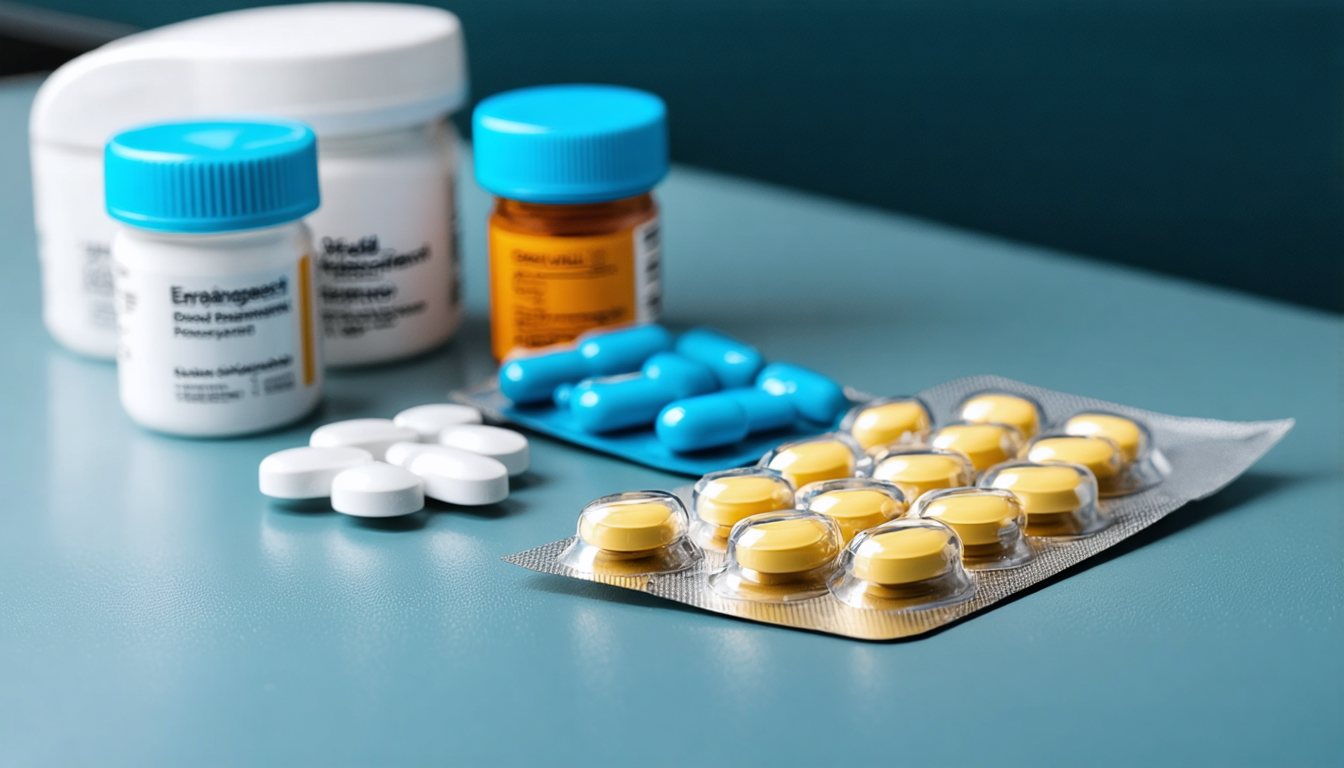
Male enhancement products: what it is and what to do
Disclaimer: This information is educational and not a substitute for a doctor’s consultation. If you have concerns about sexual performance, erection quality, or penile health, consult a qualified healthcare professional for personalized advice.
“Male enhancement products” is a broad term that covers supplements, devices, medications, and other methods marketed to improve erection quality, penis size, stamina, or sexual performance. Some options are evidence-based and medically approved, while others lack scientific support or may even be unsafe.
Quick summary in 30 seconds
- Male enhancement products include pills, topical agents, pumps, extenders, and prescription medications for erectile dysfunction (ED).
- Only some treatments—such as PDE5 inhibitors prescribed by doctors—are supported by strong clinical evidence.
- Many over-the-counter supplements have limited proof of effectiveness and may contain undeclared ingredients.
- Persistent erection problems can signal underlying health issues like diabetes or heart disease and require medical evaluation.
What is “Male enhancement products” (definition in simple terms)
Male enhancement products are items or treatments designed to improve one or more aspects of male sexual function. These may target:
- Erection firmness or duration
- Libido (sexual desire)
- Penile size (length or girth)
- Stamina or ejaculation control
They can be grouped into several categories:
- Prescription medications (e.g., PDE5 inhibitors for erectile dysfunction)
- Dietary supplements (herbal blends, amino acids, vitamins)
- Topical products (creams, gels)
- Mechanical devices (vacuum erection devices, traction/extender devices)
- Surgical procedures (in selected medical cases)
It is important to distinguish between medically approved treatments and products marketed with exaggerated claims. Reliable medical information and professional guidance are key when evaluating these options.
Causes and risk factors
Many men seek enhancement products because of concerns about erectile dysfunction, perceived inadequate size, or decreased libido. The underlying causes can vary widely.
Common medical causes of erectile problems
- Cardiovascular disease
- Diabetes
- High blood pressure
- Hormonal imbalances (e.g., low testosterone)
- Neurological disorders
Psychological factors
- Performance anxiety
- Depression
- Relationship stress
- Body image concerns
Lifestyle risk factors
- Smoking
- Excessive alcohol use
- Sedentary lifestyle
- Obesity
- Poor sleep
In many cases, sexual dysfunction is multifactorial. For example, a man with mild vascular disease and high stress may experience more noticeable symptoms than from either factor alone.
Symptoms and how to distinguish from similar conditions
Men considering male enhancement solutions often report:
- Difficulty achieving or maintaining an erection
- Reduced sexual desire
- Premature ejaculation
- Concerns about penis size despite normal measurements
It is important to differentiate between:
- True erectile dysfunction (ED): persistent inability to achieve or maintain an erection sufficient for satisfactory sexual performance.
- Occasional performance issues: common and often stress-related.
- Body dysmorphic concerns: excessive worry about normal anatomical size.
| Symptom | What it may mean | What to do |
|---|---|---|
| Occasional erection difficulty | Stress, fatigue, temporary anxiety | Address lifestyle factors; seek medical advice if persistent |
| Persistent ED for 3+ months | Possible vascular, hormonal, or neurological issue | Schedule medical evaluation |
| Low libido | Hormonal imbalance, depression, medication side effect | Discuss with healthcare provider |
| Painful erections or curvature | Possible Peyronie’s disease | Consult urologist |
Diagnosis (how it is usually confirmed, what tests/examinations are common)
Before using any enhancement therapy, proper diagnosis is recommended, especially for persistent symptoms.
Medical history and physical exam
A healthcare provider may ask about:
- Onset and duration of symptoms
- Morning erections
- Chronic diseases
- Medication use
- Psychological stressors
Laboratory tests
- Blood glucose (to screen for diabetes)
- Lipid profile (cardiovascular risk)
- Total testosterone (morning level)
- Other hormone tests if indicated
Specialized testing (in selected cases)
- Penile Doppler ultrasound
- Nocturnal penile tumescence testing
Diagnosis helps determine whether medical treatment, psychological support, lifestyle change, or a combination is most appropriate.
Treatment and approaches (overview of options without prescribing treatment to the reader)
Treatment depends on the cause. Not all male enhancement products are equally effective or safe.
1. Prescription medications
PDE5 inhibitors (such as sildenafil, tadalafil, and others) are commonly prescribed for erectile dysfunction. They increase blood flow to the penis in response to sexual stimulation. These medications are approved by regulatory authorities and supported by clinical evidence.
They require medical supervision, especially in men with heart disease or those taking nitrates. Always follow the instructions and your doctor.
2. Vacuum erection devices
These mechanical pumps draw blood into the penis using negative pressure. They are non-invasive and may be recommended for certain patients.
3. Penile traction devices
Sometimes used under medical supervision for specific conditions (e.g., Peyronie’s disease). Evidence for permanent size increase in healthy men is limited.
4. Supplements and herbal products
Common ingredients include ginseng, L-arginine, maca, and yohimbine. Scientific support varies, and many supplements are not rigorously tested. Some products marketed as “natural” have been found to contain undeclared prescription drug ingredients.
If you are considering supplements, review credible information such as our guide to dietary supplement safety and consult a healthcare professional.
5. Hormone therapy
Testosterone replacement therapy may be appropriate only for men with confirmed deficiency. It is not a general enhancement tool and carries potential risks.
6. Psychological counseling
Sex therapy or cognitive behavioral therapy can be effective for performance anxiety and relationship-related issues.
You may also find it helpful to read about erectile dysfunction causes and treatment options and our overview of men’s sexual health basics for broader context.
Possible complications and when to see a doctor urgently (red flags)
Some male enhancement methods carry risks, especially if used without medical supervision.
Potential complications
- Low blood pressure (especially with certain medications)
- Drug interactions
- Priapism (prolonged erection lasting more than 4 hours)
- Penile injury from improper device use
- Psychological distress from unrealistic expectations
Seek urgent medical care if you experience:
- An erection lasting more than 4 hours
- Severe chest pain during or after sexual activity
- Sudden vision or hearing changes after taking medication
- Severe penile pain or trauma
These situations require immediate evaluation.
Prevention and lifestyle
In many cases, improving overall health improves sexual function without the need for enhancement products.
Evidence-based lifestyle measures
- Regular aerobic exercise
- Balanced diet (e.g., Mediterranean-style pattern)
- Weight management
- Smoking cessation
- Limiting alcohol
- Stress management techniques
Because erection quality is closely linked to vascular health, heart-healthy habits often support sexual performance. Our article on cardiovascular risk and men’s health explains this connection in more detail.
FAQ
1. Do male enhancement pills really work?
Prescription medications for erectile dysfunction are proven to work for many men. Over-the-counter supplements have mixed or limited evidence.
2. Can supplements increase penis size permanently?
There is no strong scientific evidence that pills or creams permanently increase penis size in healthy adults.
3. Are “natural” products safer?
Not necessarily. Some have been found to contain hidden pharmaceutical ingredients. “Natural” does not automatically mean safe.
4. When should I see a doctor for erection problems?
If difficulties persist for more than a few weeks, are worsening, or are accompanied by other health symptoms, seek medical evaluation.
5. Can lifestyle changes really improve sexual performance?
Yes. Regular exercise, weight control, and quitting smoking are associated with improved erectile function in many men.
6. Is testosterone therapy a general enhancement solution?
No. It is indicated only for men with confirmed low testosterone levels and specific symptoms.
7. Are vacuum pumps safe?
They can be safe when used correctly and under guidance, but improper use may cause bruising or injury.
8. Can erectile dysfunction be an early sign of heart disease?
Yes. ED can sometimes precede cardiovascular events, which is why medical assessment is important.
Sources
- National Institute of Diabetes and Digestive and Kidney Diseases (NIDDK): https://www.niddk.nih.gov
- American Urological Association (AUA): https://www.auanet.org
- Mayo Clinic – Erectile Dysfunction: https://www.mayoclinic.org
- U.S. Food and Drug Administration (FDA) – Tainted Sexual Enhancement Products: https://www.fda.gov
- National Institutes of Health (NIH): https://www.nih.gov
