
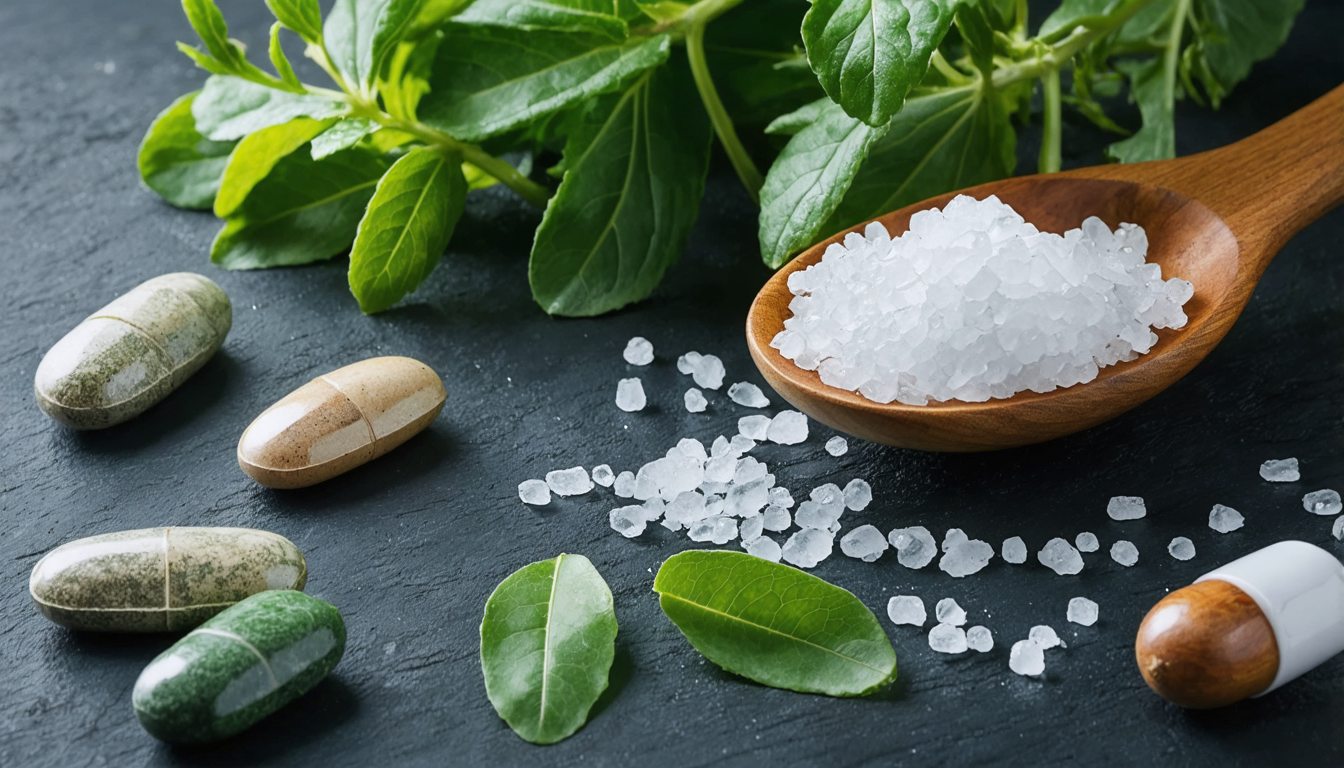
Natural remedies for potency — answers to the main questions
Medical disclaimer: This article is for educational purposes only and does not replace professional medical advice, diagnosis, or treatment. Always consult a qualified healthcare provider before making health decisions, especially if you have chronic conditions or take medications.
Frequently asked questions (FAQ block at the beginning)
What does “potency” mean in medical terms?
Potency usually refers to erectile function and the ability to achieve and maintain an erection sufficient for sexual activity. Clinically, problems with potency are often discussed as erectile dysfunction (ED). It can involve physical, psychological, or mixed causes.
Why do potency problems happen?
Common causes include reduced blood flow, hormonal changes, nerve issues, stress, anxiety, poor sleep, and chronic diseases like diabetes or heart disease. Lifestyle factors such as smoking, excessive alcohol use, and inactivity also play a role.
How can I recognize early signs of reduced potency?
Early signs may include difficulty achieving an erection, reduced firmness, or erections that do not last. Decreased morning erections and lowered sexual desire can also be warning signals.
Are potency problems dangerous?
On their own, they are not life‑threatening. However, they can be an early marker of cardiovascular disease or metabolic disorders. That is why persistent symptoms should not be ignored.
Can natural remedies really help potency?
Some natural approaches can support overall sexual health by improving circulation, reducing stress, and supporting hormone balance. They are most effective when combined with healthy lifestyle habits, not as a stand‑alone “cure.”
Which lifestyle changes support potency naturally?
Regular physical activity, balanced nutrition, adequate sleep, stress management, and avoiding tobacco are consistently linked to better erectile health. These changes improve blood vessel and nerve function.
Are herbs and supplements safe for potency?
Not all are safe or effective. Some herbs have limited evidence and may interact with medications. Quality, dosage, and individual health status matter greatly.
Can stress and anxiety reduce potency?
Yes. Psychological factors can interfere with the brain–body signals needed for erections. Chronic stress also raises cortisol, which may negatively affect testosterone levels.
Is age the main reason for loss of potency?
Age increases risk, but it is not the sole cause. Many men maintain good erectile function later in life by managing health conditions and lifestyle factors.
When should I see a doctor about potency issues?
If symptoms last more than a few weeks, worsen, or appear suddenly, medical evaluation is recommended. Immediate help is needed if ED occurs with chest pain or after trauma.
Is it possible to prevent potency problems naturally?
While not all cases are preventable, healthy habits significantly reduce risk. Prevention focuses on cardiovascular health, mental well‑being, and early management of chronic diseases.
Can natural remedies replace medical treatment?
They should be viewed as supportive measures. For many men, medical assessment and evidence‑based treatments are necessary alongside lifestyle approaches.
Detailed breakdown
1. Understanding potency and sexual health
Potency depends on coordinated action between the nervous system, blood vessels, hormones, and psychological state. Natural remedies aim to support these systems indirectly. Learning how erections work helps set realistic expectations and avoid misinformation.
2. Nutrition and blood flow support
Diets rich in vegetables, fruits, whole grains, healthy fats, and lean proteins are associated with better vascular health. Foods containing nitrates, antioxidants, and omega‑3 fatty acids support endothelial function, which is essential for erections.
You can read more in our section on overall wellness and prevention here.
3. Physical activity and hormonal balance
Regular movement improves circulation, insulin sensitivity, and testosterone regulation. Both aerobic exercise and strength training are beneficial. Sedentary behavior, by contrast, is linked to higher ED risk.
4. Stress, sleep, and mental well‑being
Chronic stress and poor sleep can suppress sexual hormones and increase performance anxiety. Mindfulness, relaxation techniques, and consistent sleep schedules are natural strategies to support potency.
5. Herbal approaches: benefits and limits
Plants such as ginseng, maca, and tribulus are commonly discussed, but evidence varies. Some show modest benefits in specific populations, while others lack strong clinical support. Safety and product quality are major concerns.
For related educational materials, see more in our health information hub here.
6. When natural remedies are not enough
If potency problems reflect underlying cardiovascular, neurological, or endocrine disease, lifestyle measures alone may be insufficient. Early diagnosis improves outcomes and overall health.
Symptom or situation → urgency → where to seek help
| Symptom or situation | Urgency level | Where to seek help |
|---|---|---|
| Mild, occasional erection difficulty | Low | Primary care physician or lifestyle counseling |
| Persistent problems for several weeks | Moderate | Primary care doctor or urologist |
| Sudden onset with no clear cause | Moderate to high | Medical evaluation as soon as possible |
| ED with chest pain or shortness of breath | High (urgent) | Emergency medical services |
| ED plus symptoms of low testosterone | Moderate | Endocrinologist or urologist |
Checklist: what you can do today
- Assess your sleep quality and aim for consistent rest.
- Increase daily physical activity, even with short walks.
- Focus on heart‑healthy eating patterns.
- Reduce smoking and limit alcohol intake.
- Practice stress‑reduction techniques.
- Review medications with a healthcare professional.
- Be cautious with online supplements and bold claims.
- Monitor symptoms and note changes over time.
- Schedule a routine health check if overdue.
Sources
- World Health Organization (WHO) – Sexual health resources
- National Institutes of Health (NIH) – Erectile dysfunction overview
- European Association of Urology (EAU) Guidelines on Sexual and Reproductive Health
- American Urological Association (AUA) – Erectile Dysfunction Guideline
- Centers for Disease Control and Prevention (CDC) – Men’s health and chronic disease prevention
For additional educational content, explore more in our medical knowledge section here.
